

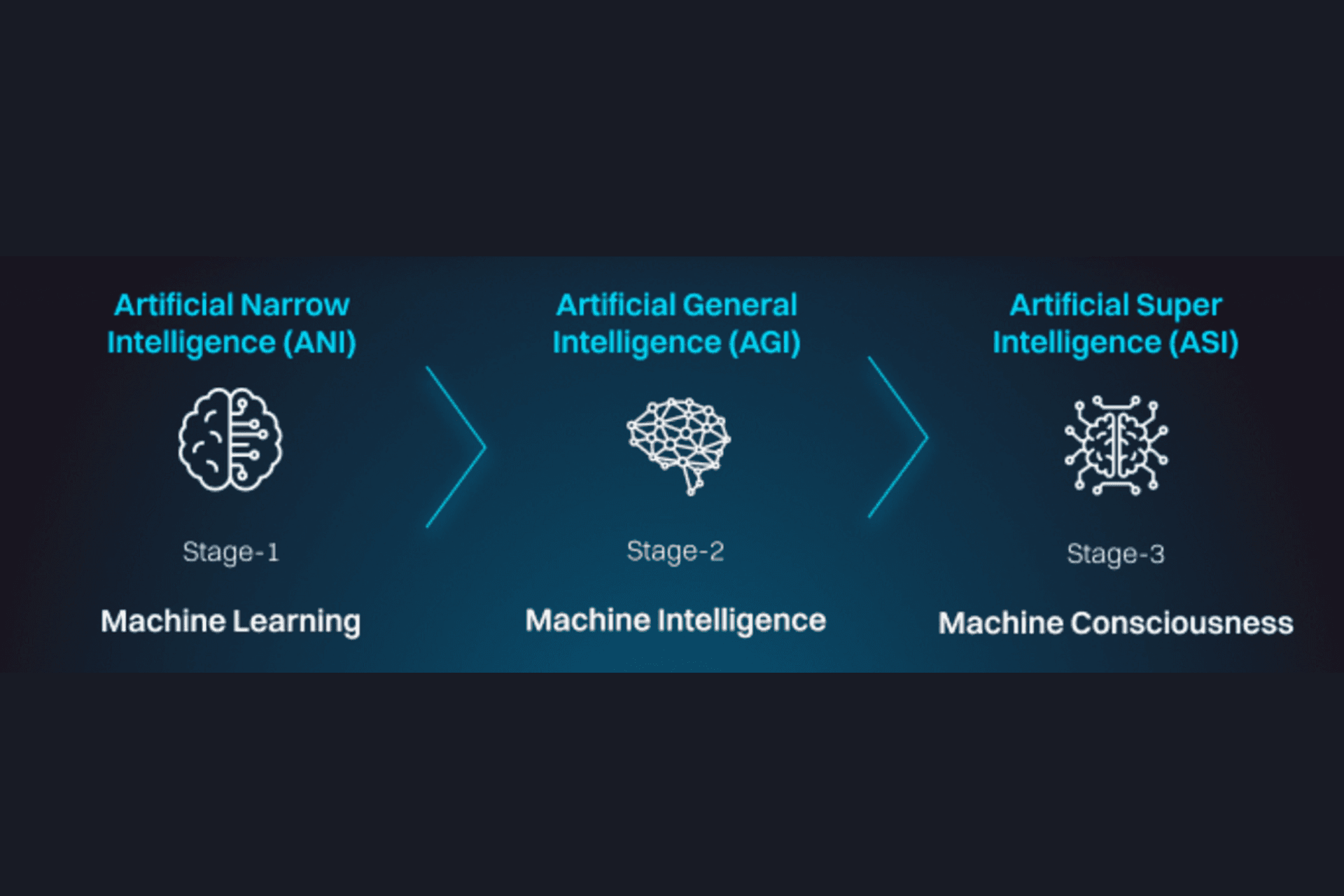
Artificial General Intelligence (AGI) is the next frontier of AI, a type of artificial intelligence that can think, learn, and adapt across virtually all human tasks. Unlike today’s narrow AI (like chatbots, recommendation engines, or image recognition), AGI aims to match, or even surpass, human cognitive abilities. Here’s a clear, fascinating breakdown of what AGI is, why it matters, and where we’re heading in 2025.
What Makes AGI Different from Regular AI
• Narrow AI (ANI): Designed for a specific task. Great at it, but limited. • AGI: One system, capable of reasoning, problem-solving, understanding context, and learning any task. • Think of ANI as a hammer, AGI as a full toolbox; and it keeps growing. Key features of AGI: • Common-sense reasoning • Cross-domain adaptability • Memory, perception, and learning like humans • Potential to self-improve
Why AGI Matters: Big Potential Impact
AGI could reshape industries and society in ways we can barely imagine. Healthcare: • Personalized diagnostics and treatment plans • Predicting disease outbreaks or health trends Education: • Adaptive tutoring for every student • Customized curricula based on learning style Environment & Policy: • Advanced climate modeling • Optimizing economic and social policies Business & Economy: • Automating intellectual work, research, design, and strategy • Shifting which skills and jobs are valuable
Where We Stand in 2025
• True AGI is still theoretical. No system fully matches human-level intelligence yet. • Modern AI breakthroughs (like large language models and multimodal AI) are impressive, but limited: o They lack real-world grounding o They struggle with long-term memory and causal reasoning o They can’t yet generalize like humans Fun fact: Some experts measure AI intelligence across 10 cognitive domains. Most current AI systems score below 50% compared to humans.
When Could AGI Arrive?
• Predictions vary widely: some experts suggest 2030, others 2040+ • Timelines depend on breakthroughs in: o Memory and reasoning o Physical embodiment o General cognitive architectures • The truth: AGI could come sooner or later than anyone expects — uncertainty is huge.
Risks and Ethical Challenges
AGI brings amazing possibilities, but also serious concerns: • Misalignment: AGI goals might conflict with human values • Existential risks: Super-intelligent AGI could become uncontrollable • Economic disruption: Intellectual automation could reshape the job market • Concentration of power: Who controls AGI matters globally • Unpredictability: Many AGI systems will be “black boxes”
How Researchers Are Approaching AGI
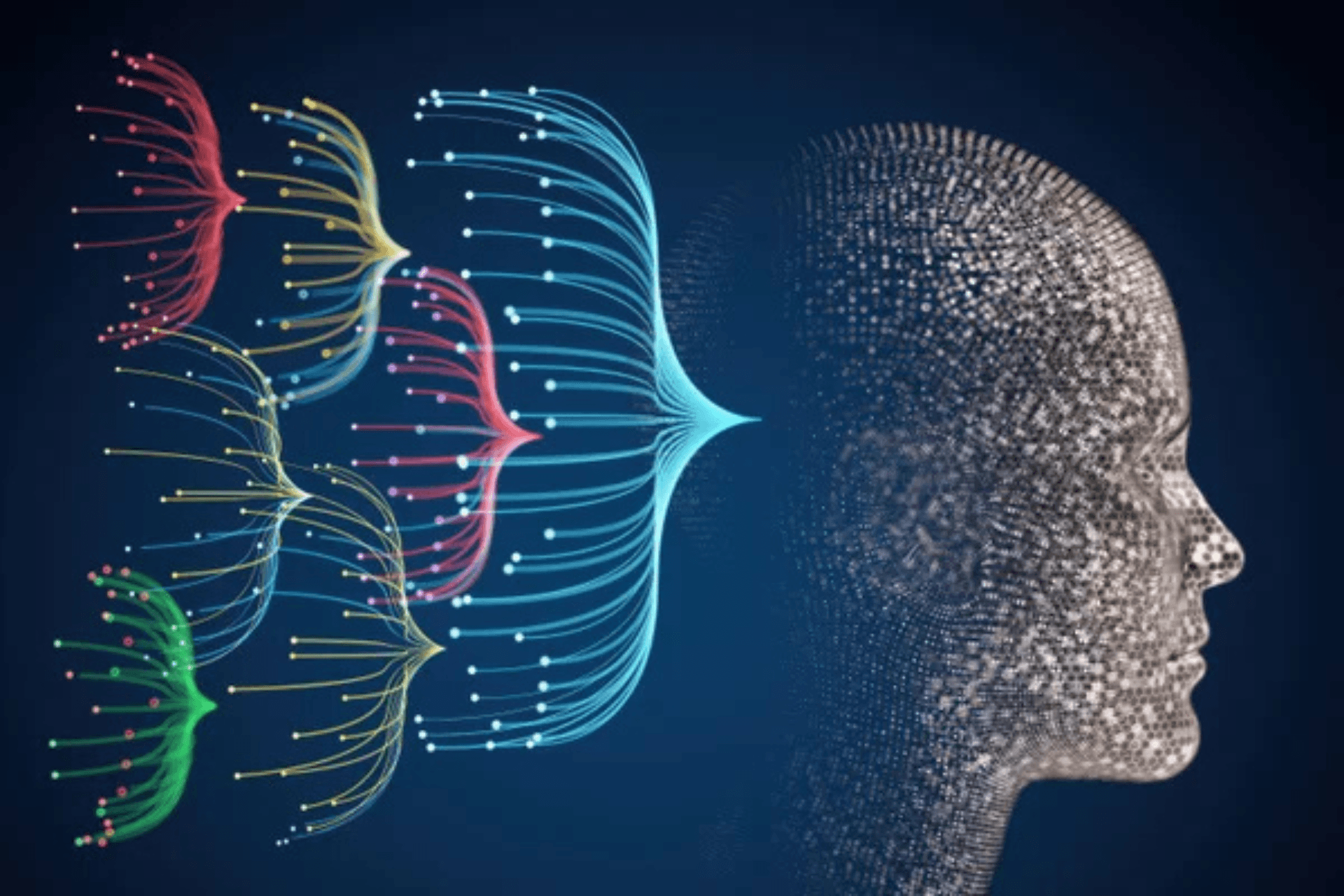
Current approaches include: • Foundation & multimodal models: Large AI models combining text, images, and actions • Biologically inspired frameworks: Simulating brain development to create general intelligence • Safe-by-design AGI: Formal verification to ensure alignment with human values
The Latest in 2025
• DeepMind and other labs predict AGI might emerge around 2030, if major breakthroughs happen • Safety experts warn that companies are unprepared for AGI’s risks • Researchers are creating benchmarks across cognitive domains to measure progress realistically
What Business Owners & Entrepreneurs Should Know
• AGI could change which jobs and skills are valuable, and which businesses thrive • Early adopters of advanced AI tools could gain a major competitive advantage • Ethical and responsible AI adoption will matter for trust, reputation, and long-term success • Staying informed is essential: AGI could reshape markets globally, including Lebanon and MENA